JS Business Solutions Blog
JS Business Solutions has been serving the Attleboro area since 2012, providing IT Support such as technical helpdesk support, computer support, and consulting to small and medium-sized businesses.

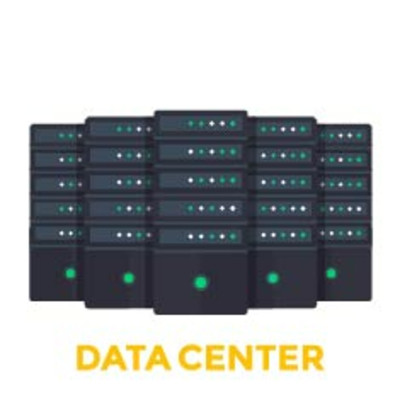
The term data center might sound like something only large corporations need to worry about, but in reality, this is far from the truth. What exactly is a data center, and why is it increasingly vital for small and medium-sized businesses (SMBs) like yours?
0 Comments


It was recently disclosed that Slim CD, a payment gateway, suffered a data breach that exposed many, many credit card accounts (nearly 1.7 million) from August 17th, 2023, until June 15th, 2024.
Let’s discuss the situation and how it provides a lesson for your business to take seriously.

The demand for digital storage has skyrocketed over time. While hard disk drives (HDDs) once dominated the market, solid-state drives (SSDs) are now becoming more popular thanks to their speed, durability, and increasing affordability.
That said, HDDs are still in wide use, though they are far more susceptible to failure compared to SSDs. So, how can you spot the signs that your hard drive might be on the verge of failing?

Modern businesses lean heavily on collaboration, and without efficient and reliable file sharing, that strategy goes out the window. It’s important that you know how to build and maintain solid file sharing practices and get the technology you need to make that possible. In today’s blog, we will give you four tips on how to build an efficient and secure file-sharing platform that can take your business a long way.
Technology continues to play a major role in healthcare, especially as it has become more prominent. Through technology, the healthcare industry has been able to stabilize costs, improve access, and personalize care delivery—challenging concepts in years past. That said, these innovations come at the cost of potential issues with data privacy… issues that become more prominent as technology becomes even more advanced.

Even if it didn’t directly affect you, you have probably heard about the Crowdsrike outage that caused critical errors in a lot of Microsoft-run systems. Due to the sheer volume of companies and organizations that are using Windows, this error caused an unprecedented amount of computers to crash and took down over 8.5 million systems for extended periods and cost some of the most successful businesses billions of dollars. It was also noteworthy for affecting air travel, causing 3,000 flights to be canceled and wreaking havoc on people’s travel plans. As the largest outage in world history, it made a lot of people realize that the technology that we all depend on for our livelihoods isn’t infallible. Today, let's take a look at some of the things we should take away from the CrowdStrike outage.

A good business creates a lot of beneficial relationships. This means contracts and other data that need to be shared and filed away. While this seems like a straightforward issue, technology is available today that any business can take advantage of that can reduce their filing costs and make their file sharing more efficient. Let’s take a look at this technology today.

Data backup is a crucial part of any business operation, but many employees within an organization might not necessarily know or understand how data backup actually works, or even what gets backed up during the process. Today, we want to demystify how data backup typically works and why it’s important to know what gets backed up, and when.

In today's digital landscape, data breaches and privacy concerns are more prevalent than ever. Your team needs to protect important information by following data privacy practices, which also helps boost your company's reputation. It needs to be a part of your company culture.
Here are effective strategies to encourage a culture of data security within your team.

Data is pivotal in modern business operations, highly coveted by various parties. In today’s blog, we explore how everyone online seems eager to get their hands on your data.

Digital waste encompasses all the unnecessary data cluttering our storage systems until we decide to address it. This includes redundant files, outdated emails and chats, and forgotten photos gathering digital dust. While dismissing digital waste as a mere inconvenience is tempting, its implications are unfortunately significant.

Personally identifiable information—or PII—is critically important data for individuals and businesses, not only because operations rely on many of these data points but there are also significant circumstances for losing it. Of course, to properly protect PII, you need to know what the umbrella term of PII includes.
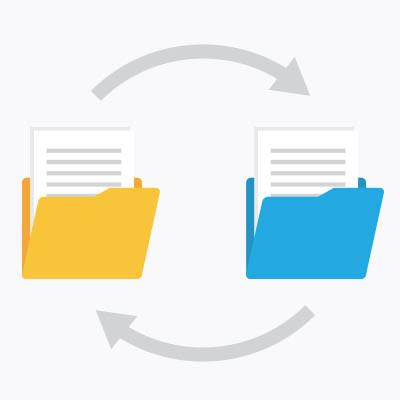
Getting your organization’s file-sharing policies and procedures right can make the difference between efficient, collaborative operations and inefficient and cost-wasting ones. This can get tricky, however. In today’s blog, we’ll go through some of the best practices your organization can implement to get the most out of its file sharing.

When it comes to network security, there are many common suggestions from IT professionals, like utilizing robust firewalls and antivirus measures. However, it’s easy to overlook some of these practices, especially if you are not necessarily a trained IT technician. We’re here to provide a short guide to three of the most common security pitfalls organizations like yours will likely face during normal everyday operations.

The cloud is a great tool for a modern business, provided the resources a business is using are properly configured. Otherwise, the business is sitting on a potential security breach. Let’s talk about why this is, and what can be done about it.

The Internet allows online transactions to take place, but they must be properly protected so that hackers and cybercriminals don’t make off with your sensitive data. Here are some simple ways you can ensure that your business is protecting its online transactions.

Cybercrime is a concern for businesses of all—and we mean all—sizes, from the small mom-and-pop shop down the road to the multinational enterprises, and it’s a concern for a variety of reasons. Let’s take a look at some of the reasons that these massive businesses worry about cyber incidents and see if there isn’t some common ground.

If you read our blog regularly, you probably saw the post we shared the other day talking about the various cybersecurity issues that your business could very well be damaged by without the right precautions. We wanted to build on that conversation, so what follows are the measures to help you take these precautions.

How can you distinguish your presence in your industry when your customers anticipate a top-notch experience at every juncture? Businesses can gain a substantial advantage over competitors by harnessing the power of cutting-edge technology solutions, such as online ordering, mobile applications, and e-commerce platforms, which streamline access to services and products. Let's discuss how the latest technological advancements can be used to improve your business.

The vehicles of today are equipped with countless features that previously did not exist, but this also makes them vulnerable in ways that older cars simply are not. Today, we want to explore what this growing smart car trend means for the security of vehicles.